 |
| |
| |
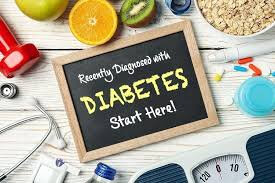
Just Diagnosed with Diabetes?
|
Diabetes is a disease that can be self-managed, but it is important for you to have the proper education, tools and support. Your health care team as well as this website are ready to help you find support in your area for help in managing your diabetes.
What is Diabetes?
Diabetes occurs when your body is unable to move sugar from your blood stream into your cells to use as energy. This is because either your pancreas has stopped producing insulin, is not making enough insulin or your body is not using insulin properly. Insulin is a naturally occurring hormone that is released by your pancreas to maintain your blood sugar within a specific range, when insulin production or use declines, your blood sugar level rises above this specific range.
To learn more about managing your diabetes, you can refer yourself for diabetes education using a self-referral form. Or ask your healthcare provider to complete a referral to a Diabetes Education Program within your community.
|
Types of Diabetes
Click on the links below to learn more about the different types of diabetes.
SomeThings to Consider When Newly Diagnosed
- Ask your healthcare provider to review your bloodwork results with you
- Read Diabetes Canada How to Stay Healthy with Diabetes resource
- To learn about how best to prepare for your healthcare appointments, click here
- Have your eyes examined by an optometrist
- Attend a Diabetes Education Program to learn everything you can about diabetes. Ask your healthcare provider to refer you, or complete a self-referral form click here
- Schedule a follow-up appointment in 3 months with your healthcare provider. Book separate visits for diabetes, general checkups, and other medical needs.
- A new diagnosis of diabetes can be overwhelming. Click here for information and resources to help you understand how diabetes can affect your mental health and where to find support.
On a daily basis:
- Eat 3 meals a day, avoiding juice and sugary drinks, until you see a Registered Dietitian at your Diabetes Education Program
- Be as active as you can
- Take your diabetes medication as directed, and continue to take it even when your blood sugars have improved
- Check your blood sugar at various times during the day, keep track of the results and share with your diabetes educator and healthcare provider at you next appointment
- Write down any questions you have to take with you to your next appointment
In 3 months time:
Every year:
- Have your eyes examined with a dilated eye exam. A yearly eye exam is covered by OHIP for people with diabetes
- Ask your diabetes educator or healthcare provider to exam you feet yearly
- Your healthcare provider will order lab work throughout the year
When to Contact Your Healthcare Team
- When you have more than two low blood sugars in a week
- When you have unexplained high blood sugars (greater than 15 mmol/L) more than 3-4 days in a row
- If you change your diet or exercise pattern or have any tests or procedures planned that require you to be fasting
- If you are planning to travel, contact your diabetes educator to discuss things you need to consider
- If you are experiencing negative side effects caused by your medication
- If you have any concerns or questions about your diabetes
|
|